-
Empty cart
No products in the cart.
Return to Shop
Shop


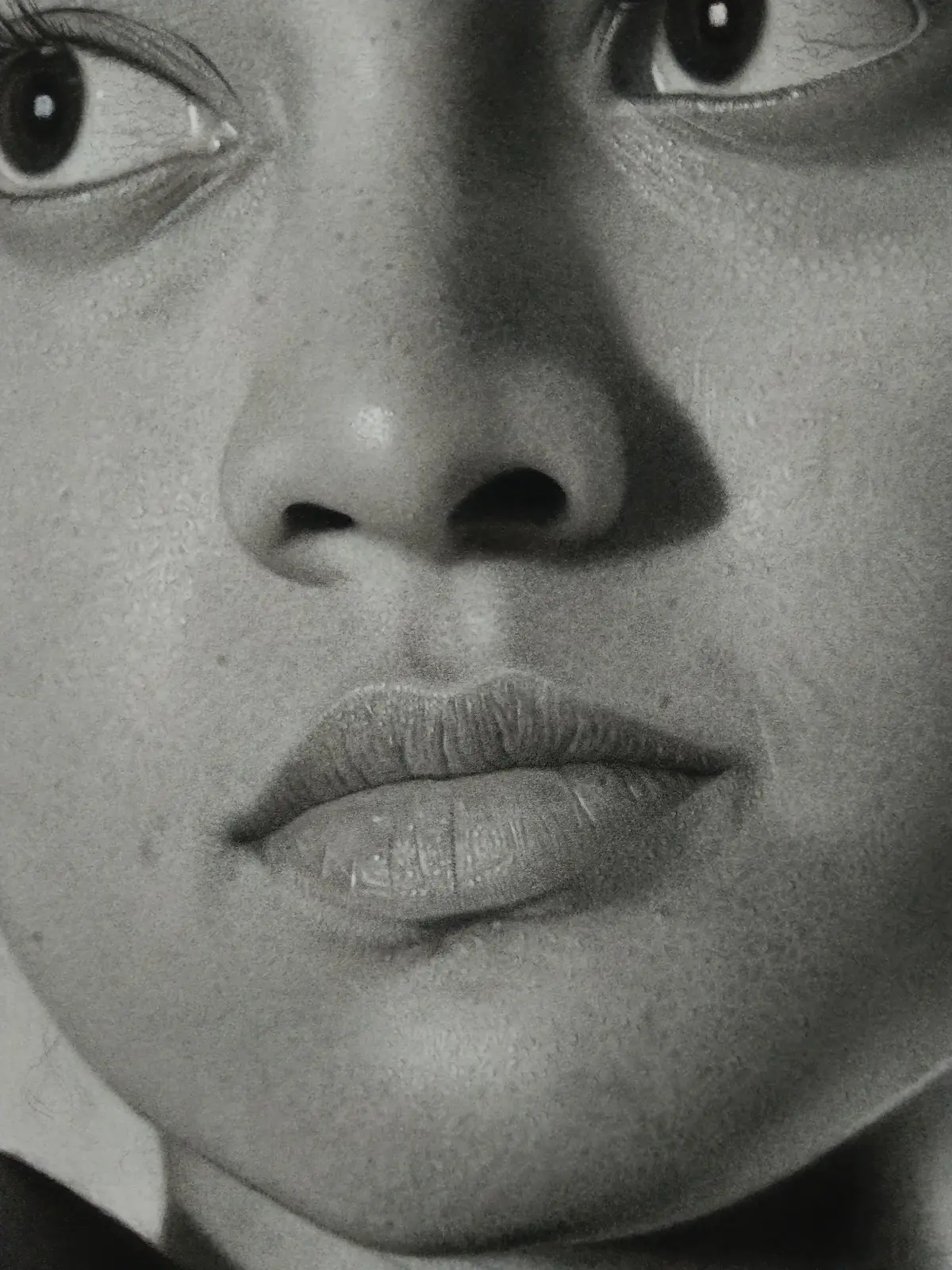

THE SUN
₹287,817.00This artwork interprets the sun as a symbol of energy, balance, and cyclical time through a structured, mandala-like composition. A deep blue central disc anchors the piece, representing inner stillness or cosmic core, while surrounding concentric layers radiate outward like solar waves. Repeating petal and circular forms create rhythm and harmony, echoing natural cycles and […]
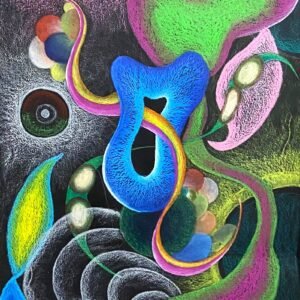
ANATOMY OF MY INNER FLOW
₹268,629.00An Intuitive Exploration Of Subconscious Emotion, Inner Movement, And The Fluid Relationship Between Thought And Sensation Such That Emotions Overlap, Transform, And Coexist.

SEA
₹230,253.00A Vibrant Abstract Bioformic Artwork Where Glowing Colors Emerge From A Deep Black Space, Symbolizing Energy, Growth, And The Connection Between Inner Consciousness And The Cosmic SEA.

Blue core
₹201,472.00An symbolic artwork expressing inner energy and balance through flowing red and blue forms, centered around a circular core that evokes consciousness, movement, and cosmic rhythm.
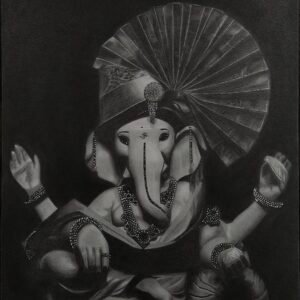
Vighnaharta
₹111,111.00The sketch shows Lord Ganesha in a calm and peaceful form. Soft shading and fine details highlight his devine presence. The artwork represents faith, wisdom, and inner peace.

LIMINAL
₹95,939.00This artwork is an abstract figurative composition made of flowing, organic forms and bold, vibrant colors. The shapes suggest the human body and natural elements without defining them clearly, creating a sense of movement and emotional energy. Strong contrasts between warm and cool tones add depth, while the textured surface enhances its organic, tactile feel. Overall, the work explores connection, transformation, and inner motion, inviting personal interpretation from the viewer.

Nilkanth
₹85,999.00“Nilkanth” is a bright and beautiful acrylic painting on canvas that shows a young and peaceful god, known as Lord Swaminarayan or a holy spiritual seeker. The background is a dark, textured blue, and he is sitting in a thick, green forest full of many colorful birds. He has a gentle smile, a red tilak […]

Krishna
₹80,999.00This painting shows Lord Krishna standing in the middle of a thick garden of lotus flowers, looking like a hidden god. He has soft blue skin and dark, wavy hair, and he wears a bright yellow turban with his famous peacock feather on top. The background is a textured blue color that looks like a […]
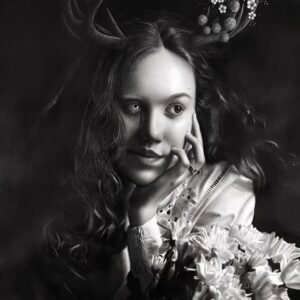
Aconitum
₹80,000.00The work basically shows – hiding the darkness with beauty, there are many meanings to this work depends on you what you see in it. I personally felt to keep it on a dark theme. ‘aconitum’ is a plant that is poisioness but hides it’s darkness with beautiful flowers so for me it’s hiding real […]